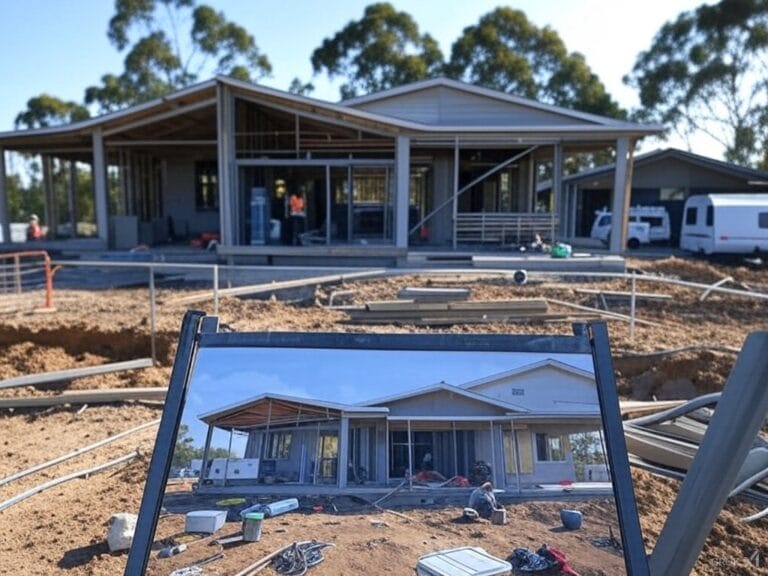
How Building Inspections Can Influence Cooling-Off Decisions
Usually, the purchase of a house brings a wave of thrill then a period of unexcited consideration. That moment of reflection is where the cooling-off period proves to be of great assistance. It provides an opportunity to assess if the house is actually up to the standards and for a great number of purchasers the building inspection is the major factor that decides the outcome during this time. What at first seemed like a sure choice can soon turn into something else as the inner tale of a house is slowly revealed.
The Emotional Shift After the Inspection
A property can feel perfect during an open house. New colors, smart design, and nice lighting frequently establish an emotional bond even before practical considerations are thought over. The process of a building inspection takes the focus off the exterior and directs it to the foundation, safety, and future comfort of living. The change can be hard to deal with, but it is also liberating.
Even small findings like tiny splits or worn-out lighting can just trigger talks about setting aside money for such purposes. However, the bigger issues can completely flip the view. Buyers often take a new view on risk when it comes to roofing problems, moisture damage, or undisclosed piping issues. The buyers’ re-evaluation might also affect the fate of the contract during the cooling-off time, that is, the going on or the termination of the contract.
Structural Findings That Alter Decisions
Structural integrity continues to be one of the major factors that inspection results affect the most. Foundations, framing, and load-bearing elements are crucial as far as the long-term consequences are concerned if compromised. Although problems are still repairable, the cost and disruption can sometimes surpass emotional attachment.
Sometimes the inspection confirms that the home has been well maintained, which strengthens confidence and validates the purchase. Other times, it reveals deferred upkeep that suggests a pattern of neglect. That pattern often weighs heavily on a buyer’s mind, especially when paired with future renovation plans or lifestyle expectations.
When Lifestyle Plans Meet Reality
Many buyers envision changes that will make a house feel like home. Outdoor upgrades, extensions, or luxury additions often factor into the original excitement. An inspection can either support or challenge those plans. Drainage limitations, soil conditions, or zoning constraints sometimes complicate ideas that once felt straightforward.
A case in point, the desire for the installation of a custom plunge pool may be driven back to reconsideration if the examination brings to light hidden utilities or limitations in the structure. Such a revelation does not necessarily mean that the transaction is over, but it could lead to changes in the negotiations or, perhaps, a more guarded and considered approach during the cooling-off period.
Hidden Issues That Demand Attention
Not all problems announce themselves clearly. Some are subtle and require professional insight to uncover. Plumbing is a common example. A property may appear functional on the surface, but underlying issues can quickly become costly.
Sometimes older urban properties show during inspection signs of CBD blocked drains. This finding usually brings up queries about the overall health of the infrastructure and the responsibility of the maintenance work that is going on. The cooling-off period when unexpected issues like this arise is no longer about hesitation but rather about making informed decisions.
Financial Clarity and Negotiation Power
The inspection of the building not only reveals issues but also gives an idea of the costs involved. Being aware of the needed repairs, and their timing, buyers can estimate the actual costs of ownership. Such a situation can lead to the decision to go ahead with the purchase, to renegotiate the terms, or to give up the buy.
In the cooling-off period, buyers and sellers often talk about inspection reports as the main issue. There are some buyers who still want to go on but with new terms, while others think that the financial risk is too high and not worth taking. Both results are a sign of thoughtful decision-making instead of being sorry afterwards.
Confidence Through Information
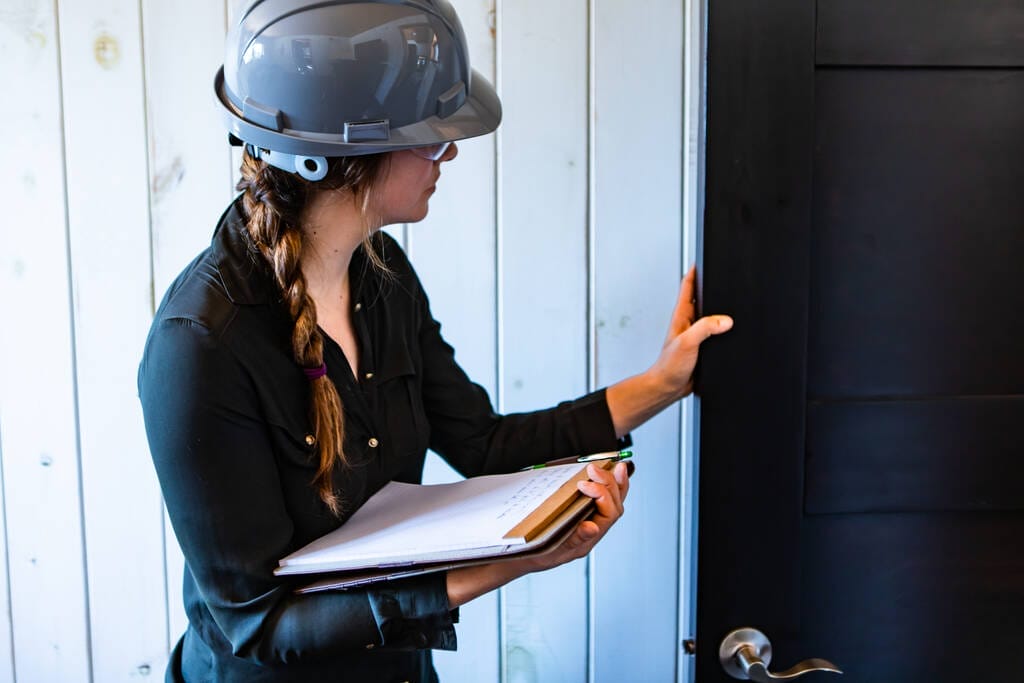
There is a noticeable difference between doubt and informed caution. Inspections replace vague concerns with specific facts. That specificity often brings peace of mind, even when issues are present. Knowing the condition of a home allows buyers to plan realistically rather than rely on assumptions.
A few purchasers will take the inspection results and make a long-term maintenance checklist, which will help them prioritize the needed repairs in the coming years. This way the inspection will no longer be termed as a pass or fail moment, but will rather be an effective roadmap of ownership from that point onwards.
Timing and Emotional Balance
Cooling-off periods are brief by design, which can intensify emotions. Inspection results often arrive during this compressed timeline, leaving little room for indecision. This is where balance matters. Acting solely on emotion can lead to regret, while ignoring instinct entirely can feel equally wrong.
A calm evaluation of the inspection with possible professional support, of course, is a great way to keep the right point of view. Not every problem is stopping the deal, and no real estate is flawless. The trick is to know the findings that fit together with one’s acceptability of risk, expenditure, and hassle.
A Tool for Better Decisions
Inspections come as a verification tool and a protection measure. They make the decisions taken during the cooling-off period to be based on information rather than on the heat of the moment or the thrill of buying. To most of the buyers the inspection either verifies that the home is the right decision or gives the needed assurance to leave without uncertainty.
That clarity is ultimately the true value of the cooling-off period. It creates space for thoughtful decisions, supported by professional insight, before a commitment becomes final.